
Quick answer
A repeat order is only cheaper than the first one if the first one left behind a record that can be reissued. That record is not the invoice — it is the sealed sample, the approved colour standard, the measurement specification, the trim and artwork pack and the packing specification. When all five exist, a second order can be placed as a production instruction with no sampling at all. When any one of them is missing, the order quietly becomes a development project again, and the brand pays a second time for something it already bought.
Brands tend to think of the first order and the second order as the same transaction at a different volume. They are not. The first order is a specification exercise: it establishes what the garment is. The second order is a production instruction: it repeats what was established. The work that makes the second order fast is done during the first, and it is mostly administrative — keeping the approved references, writing down what was agreed, and confirming that the version being repeated is the version that was actually signed off rather than the version that was originally briefed.
This guide covers the handover from a trial order into repeat production for women's apparel: what has to be locked down while the first order is running, how a repeat order is triggered, what can safely change on a repeat and what cannot, and how the timing works when bulk production is running 15–30 days and the next season is already being planned. It describes the process we run at Guangzhou Maodi Clothing Co., Ltd. for customers moving from a first trial quantity into a repeating programme.
1. Why the second order is not a copy of the first
Two things change between the first order and the second, and both are invisible if the first order was documented properly.
The first is that the reference moves. During development, the working reference is a conversation: a comment sheet, a photograph of a fit session, an email confirming a change. By the time bulk has shipped, there may be several versions of that conversation, and the version that was actually produced is the one that matters. A brand that cannot point to the sealed sample it approved has no ground on which to judge the next shipment, and neither has the factory.
The second is that the people change. Development and production are different teams working from different documents, and a repeat order that begins as an email saying "same as last time" depends on somebody remembering what "last time" was. The purpose of the five records below is to make "last time" retrievable without anybody's memory.
2. The sealed sample is the reference, not the proto
A sealed sample is the physical garment that both sides agree represents the order: the pattern, the fit, the fabric, the construction, the trims and the finish, signed and dated, and held by both parties. It is not the same object as the proto sample, which was made to test whether the idea worked, and it is not the same as the first production unit, which is made on a line rather than in a sample room.
The discipline that makes the sealed sample useful is duplication. A single sealed sample held by one party is evidence; the same garment held by both parties is a specification, because a dispute can be resolved by putting the two side by side rather than by comparing a garment with a description. On customised programmes where trims, labels and decoration have all changed, the sealed sample should carry all of them — a sealed sample built from development trims is a reference for a garment that was never produced.
3. Five records a repeat order needs
These are the documents that turn a repeat order into a production instruction. All five are produced during the first order; none of them can be reconstructed accurately afterwards.
| Record | What it fixes | What its absence costs |
|---|---|---|
| Sealed sample, held by both parties | Fit, construction, finish, trims | Every dispute becomes a judgement call |
| Approved colour standard | The exact shade, on the production fabric | A shade match attempted from photographs |
| Measurement specification | Measurement points, methods and tolerances | Inspections that argue instead of measuring |
| Trim and artwork pack | Labels, tags, print and embroidery files, placements | Artwork re-approved from scratch |
| Packing specification | Folding, polybag, carton and size assortment | A shipment packed for the wrong channel |
The colour standard deserves a specific note because it is the record most often lost. A shade agreed in one season is not automatically reproducible in the next, particularly across dye lots and across mills, and the only reliable way to repeat a colour is to hold a physical standard on the fabric in question. A brand keeping its own approved swatch, indexed by style and by order, is protected in a way that a brand keeping a folder of images is not.
4. What can change safely on a repeat, and what cannot
Repeat orders are rarely exact repeats. Extending a range, adding a colourway or adjusting a trim are all normal, and the question is which of them require the specification to be reopened.
| Change on a repeat order | Safe? | What it requires |
|---|---|---|
| Adding a colourway | Yes | A colour standard and approval on the production fabric |
| Increasing quantity on the same specification | Yes | Nothing beyond material lead time |
| Extending the size range | Usually | Grading review, and a fit check at the new sizes |
| Changing trims or labels | Usually | Artwork approval, and a note that the sealed sample no longer fully describes the garment |
| Substituting fabric | With care | A fit sample, because stretch and recovery have changed |
| Changing the pattern or block | No | It is a new development, not a repeat |
The fourth row is the one that quietly invalidates records. Once trims or labels change, the sealed sample no longer describes the order being produced, and holding one without noting the change is worse than holding none, because it looks like protection while providing none. The fix is procedural rather than expensive: when a repeat differs from the sealed sample, the difference is written onto the order and a new reference is sealed for the affected part.
5. Planning the transition so the calendar works
The commercial argument for a trial order is that it makes the second order cheaper and faster. That only holds if the second order is planned before the first one ships.
Bulk production usually runs 15–30 days, and the figure moves during peak seasons or when special materials are required. Material purchasing sits in front of that, and shipping sits behind it, so a repeat order placed at the moment the first shipment arrives has already lost several weeks of the season it was meant to serve. The practical approach is to decide on the repeat while the first order is still in production: the specification is settled by then, the colour has been approved, and the only open question is quantity.
Two planning points are worth writing into the first order itself. First, how the trial quantity is chosen: a trial order that is too small to test a size range produces information about the style but not about the range, and a repeat that then extends the range is really a new grading exercise. Second, whether the first order should include a small quantity in the colours the brand expects to repeat, which turns a colour approval into a production-tested colour rather than an approved swatch.
6. What the first order should capture about the relationship
Repeat programmes are commercial relationships as well as production schedules, and the commercial side is easier to arrange before the first order than after it.
- Expected repeat volume and rhythm. A supplier can plan materials and capacity around a realistic expectation, which is one of the reasons long-term customers are offered more favourable terms.
- Colour and size continuity. Whether the next order repeats the same colourways or extends them, decided early enough for materials to be planned rather than bought late.
- Whether the style is exclusive. A repeat programme raises the value of exclusivity, and the territory, channel and duration are worth agreeing while the volumes are still small.
- Who holds the records. The brand should hold its own copy of the specification, the colour standard and the artwork pack rather than relying entirely on the factory, because the records are what make a change of supplier a negotiation rather than a rebuild.
We provide special pricing and support policies for customers building a long-term partnership, and distributor-style arrangements are welcome, because a brand that expects to repeat an order is a different kind of customer from one buying a single style. Both can be served, but they are planned differently, and saying which one you intend to be at the first enquiry is genuinely useful.
7. What to decide before the first order ships
- Duplicate the sealed sample and confirm both parties hold one, with the production trims on it.
- Hold the approved colour standard on the production fabric, labelled with the style and the order.
- Archive the measurement specification as approved, including measurement methods and tolerances rather than values alone.
- Keep the artwork pack in its approved form, including placements in centimetres and the decoration files as produced.
- Write down the packing specification as shipped, including carton assortment, so a repeat is packed the same way for the same channel.
- Note any difference between what was briefed and what was shipped, because the second order should repeat the second version, not the first.
None of these items takes more than a few minutes when the order is running, and each of them removes an entire category of problem from the next one. That is the whole argument for treating the first order as the construction of a reissuable specification rather than as a one-off purchase.
Frequently asked questions
How soon can a repeat order be placed after the first shipment?
Technically as soon as the specification is settled, which is why it is usually better to place it before the first order ships rather than after it arrives. Bulk production normally runs 15–30 days, and material purchasing and shipping sit either side of that, so a repeat triggered by the arrival of the first shipment has already spent part of the season waiting. If the first order was documented properly, the repeat order needs a quantity and a delivery date rather than a development cycle.
Do I need new samples for a repeat order?
Not if the specification has not changed, which is the point of keeping the sealed sample and the approved records. A repeat on the same style, fabric, colour and trims is a production instruction. A repeat that adds a colourway needs that colour approved on the production fabric. A repeat that extends the size range needs a grading review and a fit check at the new sizes. A repeat that changes fabric usually needs one fit sample, because stretch and recovery have changed even though the pattern has not.
What happens if I lose the sealed sample or the colour standard?
The order can still be produced, but it becomes a re-approval rather than a repeat. Without a physical colour standard the shade has to be matched again, and without a sealed sample the fit and finish have to be confirmed from documents alone. That is why it is worth holding your own copy of both rather than relying on the factory's archive: the records are what make "the same as last time" mean something specific, and they are also what makes a future change of supplier a negotiation rather than a rebuild. If a reference is lost, we can produce a confirmation sample against the original specification for approval before bulk.
Can the second order change quantity per colour?
Yes, and that is one of the main reasons for placing a trial order in the first place. Trial quantities tell a brand which colours and sizes actually sell, and the repeat order can be weighted accordingly. Changing the colour split is normally straightforward once materials are planned, provided the fabric and the colour standard remain the same. It is worth telling us the expected split as early as possible, because it affects material purchasing rather than only cutting.
How do you handle continuity across seasons for a repeating style?
By treating the first order's records as the production standard rather than as a one-off. Where a style repeats, the sealed sample, the approved colour standard and the measurement specification carry forward, and changes are applied against them rather than re-created: a new colourway is approved on the same fabric, a new size is added through a grading review, and a packaging change is recorded against the packing specification. We also provide special pricing and support for long-term partners, including distributor arrangements, because continuity is easier to plan for both sides when the volume expectation is known in advance.
Tell us the programme, not only the order
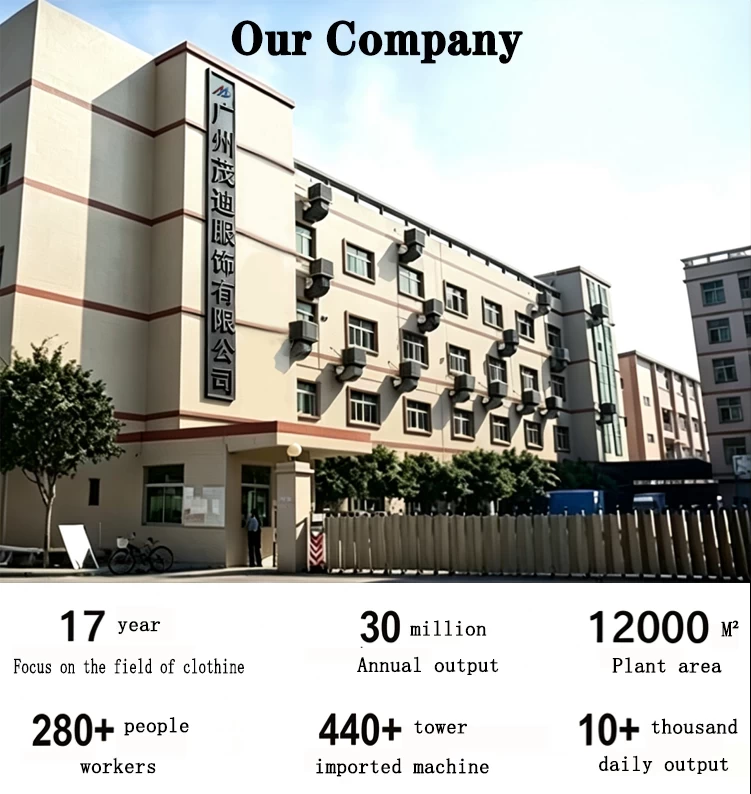
Guangzhou Maodi Clothing Co., Ltd. is a women's apparel OEM and ODM manufacturer specialising in camisoles, tank tops, sleeveless tops, built-in bra tops and fashionable knitted garments, with over 17 years of apparel manufacturing experience across a 12,000 m² factory floor, 280+ workers and a monthly output of up to 1,000,000 pieces. Our process runs from design development and fabric selection through sample making, mass production and final inspection, with flexible minimum order quantities for trial orders and the capacity to scale into repeat bulk production. Tell us at the first enquiry whether the style is a one-off or the beginning of a repeating range, and our team will plan the sampling, the records and the production slots accordingly. Further notes on how we run these programmes are collected in our Customization and OEM/ODM articles.
